

Peel and Stick: Misunderstood or Misused? A Real Conversation About Quality, Installers, and What Goes Wrong
Every now and then, we hear a version of the same story:
“My installer said peel and stick is crap - it bubbles and falls off in six months.”
A customer recently shared this exact quote from an installer with 30 years of experience.
If you’ve heard something similar, you’re not alone.
And it raises a fair question:
Why do some installers dislike Peel & Stick, while thousands of homeowners love it and have zero issues?
Let’s talk about it honestly, without defensiveness, without blame, and without pretending all peel and stick is the same. Our goal is to help you understand the real reasons behind comments like this, and how to avoid frustrating situations.
As always, we welcome your thoughts at the end, let’s learn from each other.
Not All Peel & Stick Is Created Equal
Not all peel and stick is created equal.
The term “peel and stick wallpaper” actually covers a very wide range of products. This includes everything from budget vinyls sold for just a few dollars per roll, to thin decorative films intended for short-term use, all the way to high-end, thick, repositionable wall coverings made with engineered adhesives.
Because of this, quality can vary dramatically from one brand to another. Lower-quality films tend to be too thin, too stretchy, or use weaker adhesives, which makes them more prone to bubbling, curling, or even falling off the wall. On the other hand, higher-quality wall films are designed with specialized adhesives that bond well to properly prepared, smooth surfaces and can last for years while still being removable.
So when an installer says “peel and stick always fails,” they are often reacting to the worst examples they’ve encountered. In many cases, those products were used on the wrong surfaces or installed without proper wall preparation.
In reality, experienced installers will tell you the same thing about traditional wallpaper too. Poor-quality materials lead to poor results, regardless of the installation method.
Why Some Installers Don’t Like Peel and Stick
Most professional installers were trained on traditional pasted wallpaper. That’s what their tools, techniques, and habits were built around.
With paste, you have:
- Slip time: you can slide the panel into position
- Ability to “open” seams and adjust
- A familiar, repeatable process they’ve used for decades
Peel and stick is different, not worse:
- It grabs on contact, so handling and positioning require a slightly different technique
- It behaves more like installing a large adhesive film than a soaked paper
- It demands that the wall be properly painted, cured, clean, and smooth
Some installers are comfortable with both. Others simply choose to avoid peel and stick entirely and stick to what they know. When they refuse the job, it doesn’t automatically mean the product is “bad” it means it doesn’t match their preferred way of working.
Why Some Peel and Stick Jobs Bubble or Fail
When peel and stick fails (bubbling, lifting, falling), it is usually a combination of factors, not just “the material”:
Wall condition
-
Extreme wall textured, sandy, dusty, or chalky walls
- Fresh paint that hasn’t fully cured
- Cracked walls, yes... sometimes wallpaper is used to cover cracks
- Unpainted Walls
- Covering Humidity or Mold
Installation technique
- Panels stretched too much during application
- Placing the panels without smoothing it into the wall
- Seams not overlapped or handled correctly
Material choice
- Using removable-grade films where a stronger adhesive is needed
- Using any peel and stick on heavy texture or exterior-type surfaces
- Very cheap decorative films not intended for wall installations
When you combine the wrong surface + the wrong product + rushed installation, the result is almost always disappointing, just as it would be with the wrong traditional wallpaper on the wrong wall.
Our Experience: Peel & Stick That Works
In our studio, we treat peel and stick as a serious wallcovering, not a temporary or decorative shortcut. Every material we offer is carefully selected and tested for real wall applications.
We work with proven materials designed specifically for walls, and we offer different adhesive strengths depending on the surface, whether it’s a smooth wall or a lightly textured one. We also provide clear guidance on which material works best in each situation, because that match is key to long-term performance.
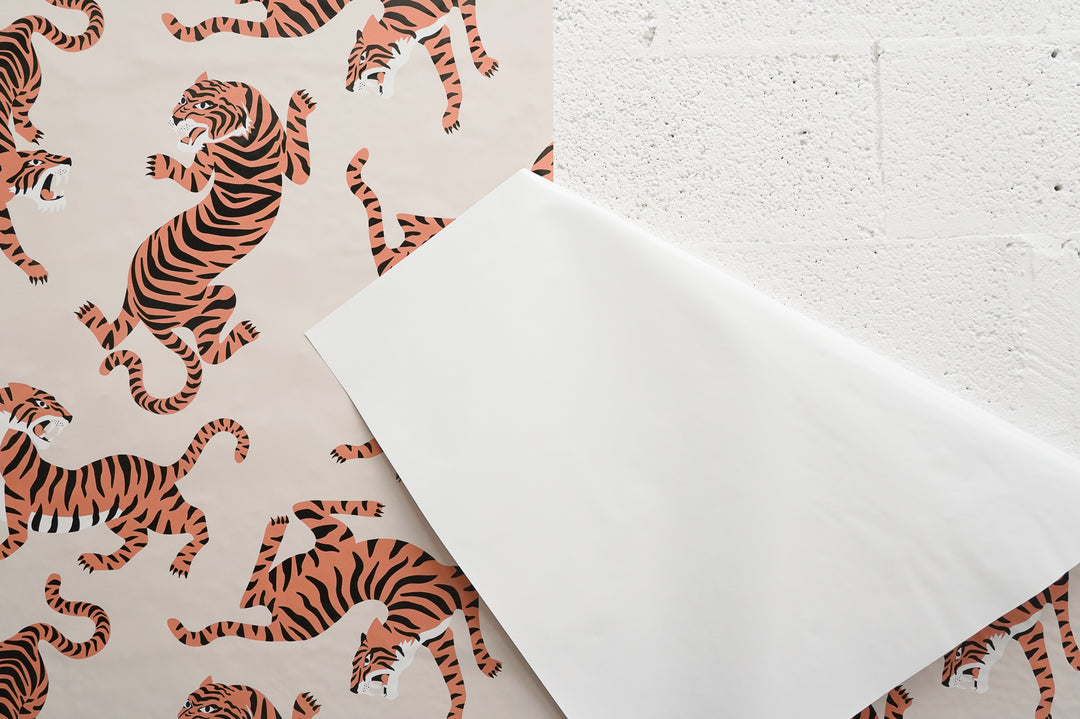
Over the years, we’ve seen our peel and stick murals successfully installed in nurseries, offices, and living rooms. When applied on properly prepared walls, they can stay in place for years, and when it’s time for a change, they can be removed cleanly.
Our reviews, repeat customers, and real project photos reflect that experience. They tell a much fuller story than the occasional comment suggesting that peel and stick “falls off in six months.” In practice, when the right material meets the right wall, and installation is done with care, the results are reliable and long-lasting.
So Who’s Right: The Installer or the Wallpaper Shop?
Honestly?
Both.
An installer’s negative experience is real, but it’s often shaped by two things:
First, there is a wide range of low-quality peel and stick products on the market. Not all materials are created equal, and poor adhesive performance or thin substrates can lead to frustrating results, even for experienced professionals.
Second, peel and stick behaves very differently from traditional wallpaper. Installers who have spent years mastering paste-based materials may not have had much hands-on experience with peel and stick systems, and applying traditional techniques to a pressure-sensitive product can quickly lead to issues.
Because of this, some installers choose to avoid peel and stick altogether, not out of lack of skill, but simply because it requires a different approach and familiarity with the material.
On the other hand, our experience with thousands of successful peel and stick installations is also real, because we understand which materials perform well, on which surfaces, and how they are meant to be installed.
The Most Important Step: Ask Your Installer First
If you're planning a large project or hiring a professional installer, please:
✔ Ask them which material they prefer.
✔ Share your wall type and paint finish.
✔ Get their opinion before placing a custom order.
Some installers love Peel & Stick.
Some will never touch it.
And neither group is wrong, they just work differently.
Peel & Stick or Traditional? Let’s Match the Right Material to Your Project
Both materials are wonderful when used correctly.
Peel & Stick is perfect for:
-
DIY-friendly projects
-
Rentals
-
Temporary or semi-permanent installs
Traditional wallpaper shines in:
-
Large, multi-wall installations
-
Professional installs
-
Commercial spaces
-
Permanent applications
Our goal is not to convince you to choose one over the other, but to help you choose the one that will make your project a success.
What Makes Koko Art Shop's Peel & Stick Different
Peel & Stick wallpaper varies wildly across the market, which is exactly why experiences and opinions about it vary just as widely. What one installer calls “crap” is often nothing like the material we use.
At Koko Art Shop, we work with premium, US-made Peel & Stick wall films, and there are several key reasons our product performs so differently from the budget options commonly found online or in big-box stores.
1. A Thicker, Sturdier Material
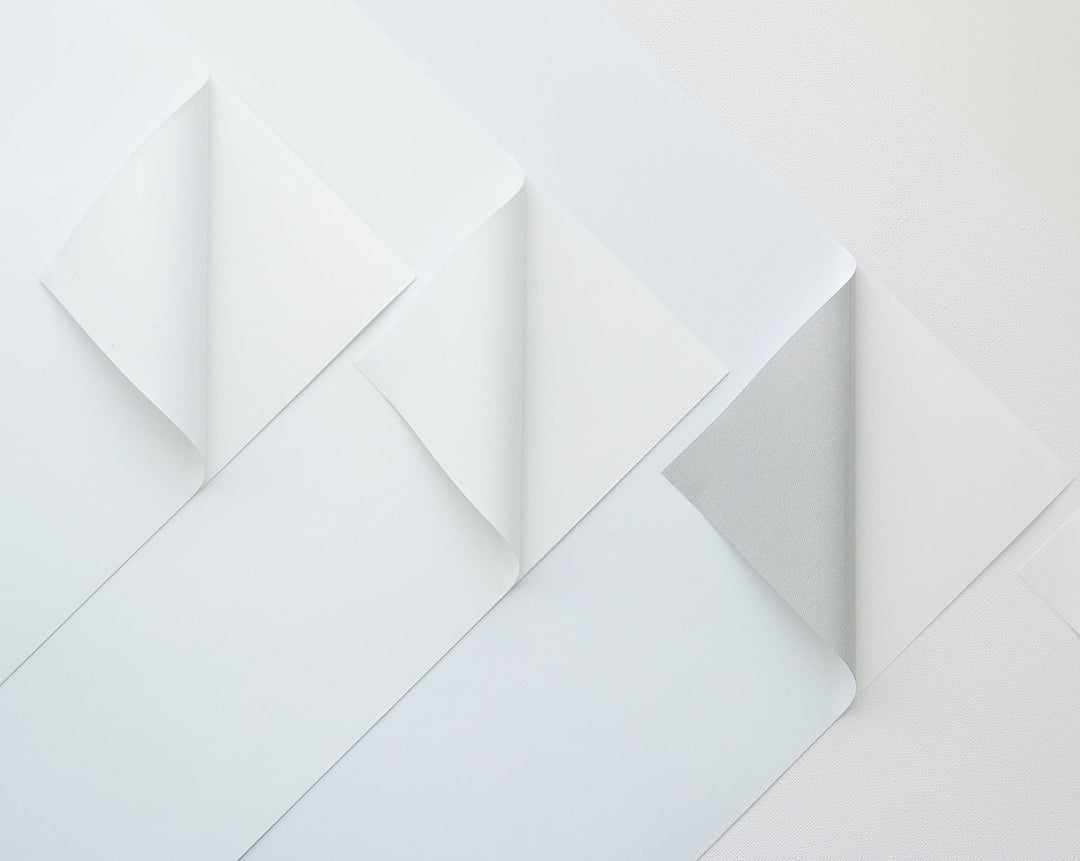
Our Peel & Stick is thick, opaque, semi-rigid, and very stable, which makes it easier to install and far more forgiving. Cheaper films tend to stretch and wrinkle, and telegraph, ours does not.
2. Fully Opaque (No Wall Show-Through)
Because of its thickness and quality, our wallpaper does not allow wall color or texture to show through. Even bold or dark wall colors stay hidden beneath the design.
3. Made Entirely in the USA
From the material itself to the printing process, everything is sourced and produced in the United States. That means:
-
Reliable supply chain
-
Consistent production quality
-
No sudden material changes from overseas manufacturers
Your repeat orders feels the same year after year because our materials stay the same year after year.
4. Printed With Eco-Friendly Latex Inks
Our murals are printed using HP Latex technology, which is:
-
Non-toxic and low-odor
-
GREENGUARD Gold certified
-
Safe for nurseries and children’s spaces
-
Designed for long-term indoor durability
Latex inks add flexibility without compromising color accuracy, helping our Peel & Stick remain vibrant and stable over time.
5. A Product We Stand Behind
We don’t choose our materials based on cost, we choose them based on performance. Peel & Stick has a wide reputation range, but the version we use is one we proudly stand behind and use in our own homes and projects.
Our customers feel the difference the moment they take it out of the tube:
thicker, smoother, sturdier, higher-end.
Join the Conversation
Have you had a great experience with Peel & Stick?
A difficult one?
Did your installer love it or refuse it?
We’d love to hear your story in the comments. Your experience helps other customers feel more confident and informed.
Dejar un comentario